factreader || factreader || factreader
In today’s digital world where misinformation and fake news spread quickly, tools that help verify information are more important than ever. One such tool gaining popularity is FactReader — an online platform dedicated to analyzing, verifying, and delivering accurate information from reliable sources.

Master Guide to Application Modernization: Why Usability Testing Services and UI Design Services Are Essential
Application modernization is one of the most critical initiatives enterprises undertake today. Yet many organizations approach modernization with a purely technical focus, overlooking the human elements that determine whether a modernized application will actually be adopted and valued by users.…

Digital Innovation Report 6183319022 Technology Systems USA
You might say the landscape of technology systems is evolving in subtle yet profound ways. The “Digital Innovation Report 6183319022” reveals how cloud computing and AI are reshaping industries, offering both efficiency and cost savings. By examining key case studies,…
Consumer Safety Bulletin 4805465503 Product Advisory Today
Have you ever wondered how aware you are of potential dangers lurking in your everyday products? Consumer Safety Bulletin 4805465503 sheds light on various hazards that could affect your health and safety. It’s crucial to know what risks exist and…
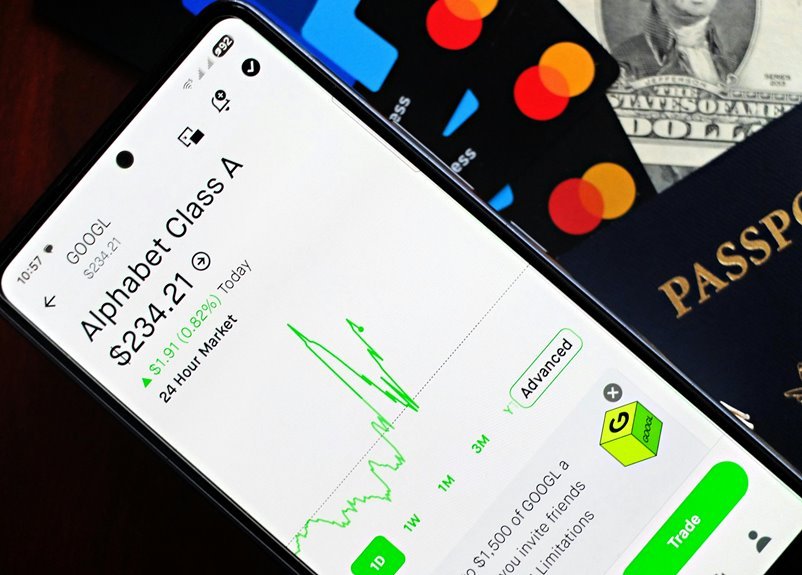
Finance Investment Alert 6162725067 Stock Trends USA
You should consider how current market dynamics are shaping stock trends in the USA. With a focus on technology and healthcare, key sectors are revealing significant growth potential. By analyzing recent economic indicators, you can better understand market sentiment. However,…

Home Improvement Guide 18554262764 Remodeling Tips Advisory
Did you know that nearly 70% of homeowners undertake a renovation project each year? With such a significant number, it’s essential to navigate your home improvements wisely. Effective planning, budgeting, and the right tools can make all the difference. If…
What Is FactReader — A Comprehensive Guide
In this complete guide, we explore everything you need to know about FactReader — its history, types, features, benefits, challenges, and frequently asked questions — and why it’s becoming a go-to resource for truth seekers online.
Whether you’re a student conducting research, a professional seeking credible data, or a casual reader tired of clickbait, understanding what is factreader, how it works, and why it matters is essential. This article takes you through every aspect in detail — from the origin of FactReader to the practical types and real world use cases behind this online credibility platform.
History of FactReader
The concept of factreader originates from the broader need for fact-checking in journalism and media literacy. With the increasing rise of misinformation and fake news, especially on social media, platforms like FactReader were developed to counter misleading claims by providing well-researched and verified content. FactReader’s mission is to debunk false information and deliver factual clarity to readers looking for trustworthy content online.
FactReader began as part of an initiative to scrutinize public claims appearing in print, broadcast, and digital media. The platform aimed to use simulated data and expert analysis to either confirm or debunk statements, providing transparent ratings and evidence-based conclusions for readers. Its emergence reflects a broader trend in digital media toward fact-checking and verification as tools to fight misinformation and enhance digital literacy.
Over time, the platform evolved into a user-friendly hub offering articles across multiple categories — from science and history to lifestyle and technology — all grounded in verified facts and credible sources. A strong emphasis on accuracy made FactReader a valuable resource for learners, professionals, and content creators alike.
What Does FactReader Do?
At its core, FactReader is a fact-checking and information aggregation platform designed to provide accurate, reliable, and curated information on a wide array of topics. Whether exploring scientific breakthroughs or debunking viral misconceptions, FactReader’s role combines the following key activities:
1. Debunking False Claims
FactReader reviews trending topics and circulating claims to determine their validity. By studying original sources and expert opinions, it presents a clear verdict — either confirming the truth or highlighting inaccuracies. Critics of misinformation often rely on this process to ensure clarity and transparency.
2. Curating Reliable Content
Unlike generic content farms that generate articles without thorough research, FactReader prioritizes curated content crafted from verified sources. This ensures that readers are not misled by unproven claims or speculative material.
3. Serving Educational Purposes
With a mission to educate and inform, FactReader becomes an interactive knowledge hub. Students, researchers, and lifelong learners use it to access concise, factual summaries across different disciplines, saving time and effort in research.
4. Promoting Media Literacy
The platform also encourages critical thinking by showing how facts are verified, encouraging readers to question unclear or unsupported claims on social media and news sites.
Types of FactReader Services
Although FactReader generally refers to the fact-checking platform itself, the term can be extended to the types of factreader tools and services available online. Different factreader systems serve different roles in today’s digital ecosystem:
1. Traditional FactChecking Platforms
These are editorial fact-checking websites (like FactReader) that manually analyze claims and report verified findings. They often focus on news, politics, and public discourse.
2. AI-Based FactReader Tools
Powered by machine learning and natural language processing, these automated factreader tools analyze text and flag potential inaccuracies using vast datasets. They aim to speed up the fact-checking process for large volumes of data.
3. Browser FactChecker Extensions
These browser plugins function as real-time factreader assistants, scanning articles users view online for potential misinformation and suggesting reliable sources or corrections.
4. Social Media Fact Verification Tools
Many social networks have built-in or third-party factreader integrations that flag false information or provide context during trending topics. These tools are critical in minimizing the spread of misinformation in real time.
5. Educational FactReader Apps
Targeted at students and learners, these mobile apps simplify complex information into verified facts and brief summaries for easier understanding.
How Does FactReader Work?
Understanding how FactReader operates gives insight into why this platform is becoming so trusted.
Step-by-Step Process
FactReader typically follows a structured fact-checking process:
🔹 1. Identify the Claim
The platform begins by selecting a claim to analyze — usually trending posts, public statements, or common misconceptions. This step filters what content needs verification and why it matters.
🔹 2. Context & Source Verification
FactReader gathers all relevant information from original sources — news articles, interviews, official documents, and academic writings — and checks whether these sources are credible and unbiased.
🔹 3. Expert Analysis
Experts review the claim and the context to determine whether it’s accurate. This can involve cross-referencing multiple authoritative sources and clarifying nuanced details.
🔹 4. Publish Findings
The platform then publishes its conclusions in a readable format. FactReader rates the claim as true, false, misleading, or unverified, alongside detailed explanations and links to sources.
🔹 5. Community Feedback and Updates
Users can engage with the content, ask questions, or provide additional context. FactReader maintains transparency by updating conclusions if new evidence emerges.
Why FactReader Matters in Today’s World
There are compelling reasons why FactReader is relevant now more than ever:
1. Combatting Misinformation
With false information spreading faster than ever on the Internet, accurate factreader tools help individuals separate truth from falsehood.
2. Encouraging Informed Decisions
Whether making financial decisions, forming political opinions, or understanding scientific news, access to verified facts allows people to make better informed choices.
3. Building Trust in Media
FactReader supports trust in media by exposing inaccuracies and reinforcing transparency in reporting.
4. Enhancing Digital Literacy
By showing the methodology behind fact-checking, platforms like FactReader help nurture critical thinking and media literacy among users.
Benefits of Using FactReader
Here are some of the most notable benefits users receive from engaging with FactReader content:
✔️ Verified Information You Can Trust — Every factreader entry is backed by credible research and sources.
✔️ Easy-to-Understand Articles — Complex topics are broken down into simple, digestible insights.
✔️ Broad Coverage — Topics range from science to entertainment, ensuring diverse interests are covered.
✔️ Improves Critical Thinking — Users learn how to assess claims independently.
✔️ Time-Saving Research Tool — Instead of searching multiple sites for verification, FactReader compiles trustworthy information in one place.
Challenges and Criticisms of FactReader
No platform is perfect, and FactReader faces several challenges:
1. Subjectivity in Evaluation
Even fact-checking platforms must interpret context. In some complex scenarios, interpretation can vary.
2. Not a Replacement for Deep Research
While FactReader simplifies facts, users should still consult primary sources for academic or legal research.
3. Varying Perceptions of Trustworthiness
Some users may perceive factreader tools as biased if their conclusions disagree with personal beliefs.
FactReader vs. Other Fact Checking Tools
| Features | FactReader | Other Platforms |
|---|---|---|
| Curated Articles ✔️ | ✔️ | Varies |
| Social Media Integration | ✔️ | Some |
| Real-Time Browser Plugins | ❌ | Some |
| AI-Assisted FactVerification Tools | Companion | Direct |
| Educational Summaries | ✔️ | Varies |
FactReader distinguishes itself by combining curated content with user-friendly delivery and broad topic coverage.
Frequently Asked Questions (FAQ)
1. What is FactReader?
FactReader is an online platform that provides reliable, verified information on various topics and debunks false claims through expert analysis and source verification.
2. Is FactReader free to use?
Yes, most FactReader content is accessible for free, offering open access to articles and fact-checked information.
3. Can FactReader verify social media claims?
FactReader primarily focuses on written claims, articles, and trending misinformation, though it can help clarify context around social media posts.
4. Is FactReader trustworthy?
FactReader strives to use credible sources and rigorous checks, making it a trusted resource when used alongside critical research.
5. How often is FactReader updated?
Platforms like FactReader frequently update content to keep information fresh and accurate.
Conclusion
In an era where information overload is the norm, tools like FactReader play a crucial role in helping users find accurate, reliable, and trustworthy information. From fact-checking trending claims to curating well-researched articles across multiple categories, FactReader improves media literacy, enhances critical thinking, and promotes transparency in digital information.
Whether you are conducting academic research, seeking verified insights on current affairs, or just want to avoid falling for misleading content, FactReader is a valuable resource in your digital toolkit. Its blend of rigorous research, user-friendly presentation, and mission-driven fact verification makes it an important tool in battling misinformation and elevating the quality of content available online.
By understanding what is factreader, its history, types, functioning, and benefits, you are better equipped to navigate the complex world of online information — confidently separating fact from fiction one verified insight at a time.